The Ultimate Guide to Sourcing High-Quality Stainless Steel Coils: Grades, Finishes, and Standards
Stainless steel coils are the lifeblood of industries ranging from automotive manufacturing to food processing. However, "cheaper" isn't always "better" when it comes to raw steel. To ensure your project’s success, you must understand the technical nuances of the material.
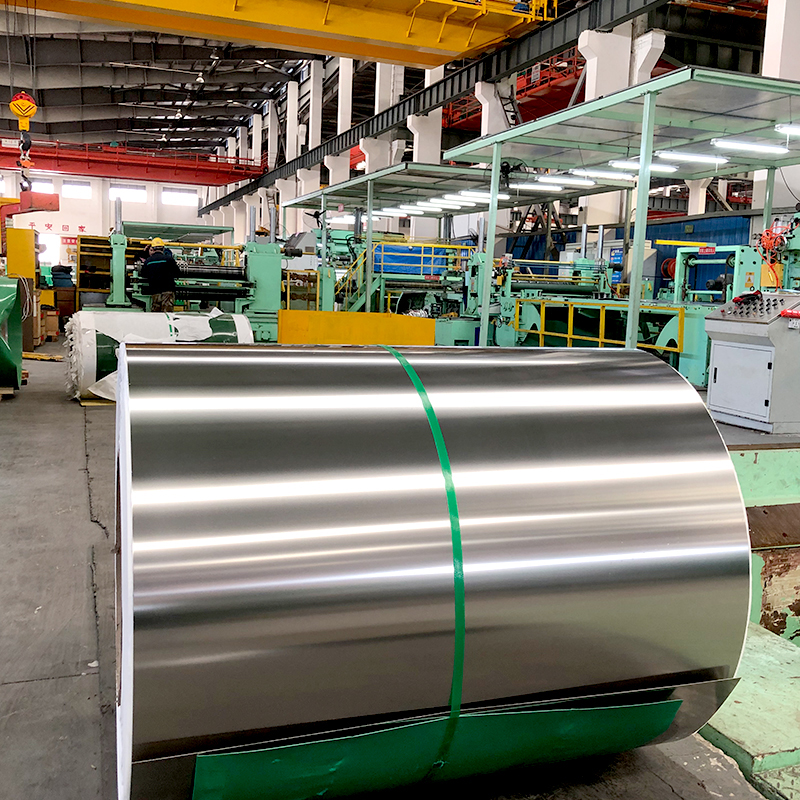
1. Understanding Material Grades: 304 vs. 316
The most critical decision starts with the chemical composition.
Grade 304: The most versatile and widely used. Ideal for kitchenware and general industrial use due to its excellent weldability.
Grade 316: Contains molybdenum, making it superior for marine environments or chemical processing plants where chloride corrosion is a risk.
2. Decoding Surface Finishes (2B, BA, No.4, HL)
Surface finish isn't just about aesthetics—it affects corrosion resistance and cleanability.
2B Finish: A smooth, moderately reflective cold-rolled finish. The most common choice for industrial tanks.
BA (Bright Annealed): Mirror-like brightness. Perfect for architectural trim and appliances.
No.4/Hairline: Brushed finishes that excel in hiding fingerprints and scratches in high-traffic areas.
3. Quality Control: What to Look For
When sourcing from a
Stainless Steel Products supplier, always verify:
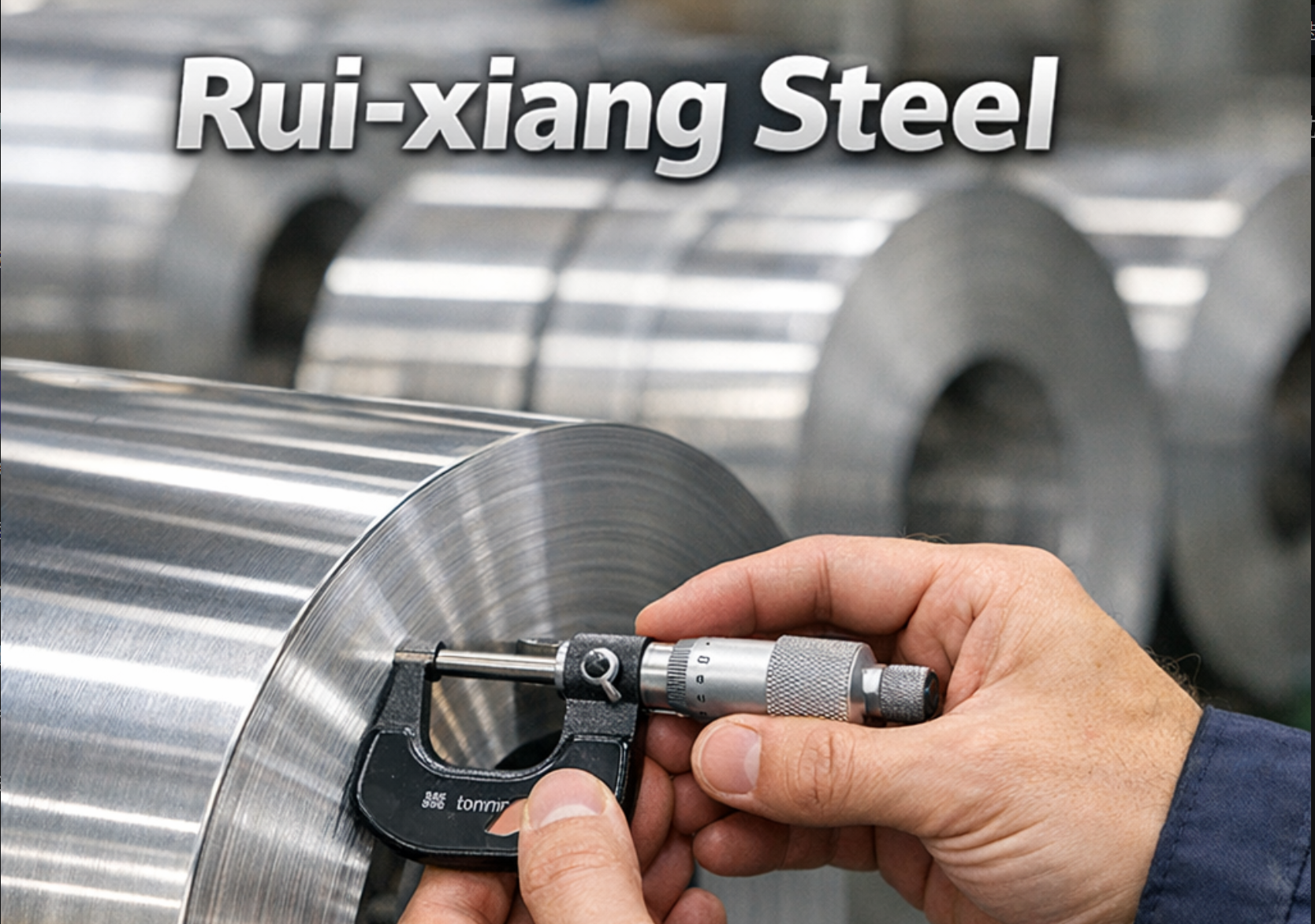
Thickness Tolerance: Precision cold-rolling should maintain strict tolerances (e.g., +/- 0.02mm).
Edge Quality: Look for "Slit Edge" or "Mill Edge" depending on your fabrication needs.
Certification: Ensure materials comply with international standards such as
ASTM A240 or
EN 10088-2.
4. Why Cold-Rolled Coils Offer Better Precision
Cold-rolled stainless steel coils provide a superior surface finish and more exact dimensions compared to hot-rolled alternatives. This precision reduces secondary processing costs and material waste during stamping or laser cutting.
5. FAQ Section
Q1: How do I prevent rust on stainless steel coils during storage?
A: Always store coils in a dry, ventilated environment. Keep them off the floor using pallets and ensure they are wrapped in waterproof paper or plastic film to prevent moisture contact.
Q2: What is the typical lead time for custom-width stainless steel coils?
A: Depending on the grade and quantity, standard lead times range from 7 to 21 days. Custom slitting to specific widths may add a few days to the processing time.
Q3: Can 304 stainless steel coils be used in salt-water environments?
A: It is not recommended. For coastal or marine applications, Grade 316 is significantly more durable due to its increased resistance to pitting corrosion.
Need a Reliable Stainless Steel Partner?
Ruixiang Steel offers a wide range of premium stainless steel coils with customizable specifications and international certifications. Request a Free Quote Now or
contact our technical team for material selection advice.


 Click:466Edit: Ruixiang Steel
 Time:2026-01-12 11:00:24



 Tel:+86-132 8756 7777
 Email:ceo@ruixiangsteel.cn
 WhatsApp:+86-132 8756 7777
 Phone:+86-132 8756 7777
 Adds:701B, Shuntai Plaza 8th building,Jinan Area of the Pilot Free Trade Zone, China.


 Langue
 English
 русский
 Français
 Türkçe
 Español
 اللغة العربية
 Current Location:
  Home
Home WhatsApp
 Email
Email