Maximizing Performance with Stainless Steel Plates: A Comprehensive Selection Guide
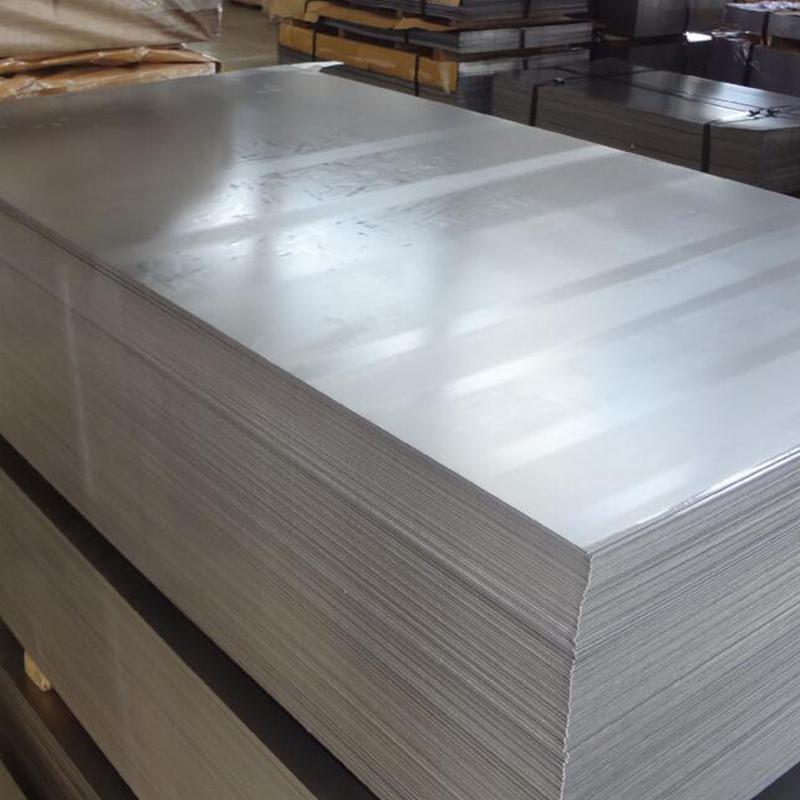
Stainless steel plates are defined by their thickness (typically 3mm and above) and their ability to withstand extreme environments. Unlike thinner sheets, plates are often used in structural applications where load-bearing and corrosion resistance are non-negotiable.
1. Grade 304 vs. 316L: Which Plate for Which Environment?
The most common question in steel procurement is the choice between 304 and 316L.
Grade 304 Plate: Excellent for food processing, dairy, and architectural projects. It offers great weldability and moderate corrosion resistance at a competitive price.
Grade 316L Plate: The "Marine Grade." With added molybdenum, it is essential for coastal construction, chemical tanks, and pharmaceutical equipment where "pitting" corrosion is a major concern.
2. Hot Rolled vs. Cold Rolled Plates
The manufacturing process significantly impacts the plate's final application.
Hot Rolled (No.1 Finish): Typically thicker and used for structural parts where a mirror finish isn't required but strength is paramount.
Cold Rolled: Offers a smoother surface and tighter dimensional tolerances, ideal for precision laser cutting and high-end industrial machinery.
3. Key Specifications to Verify
When sourcing from a
Stainless Steel Products expert, always check:
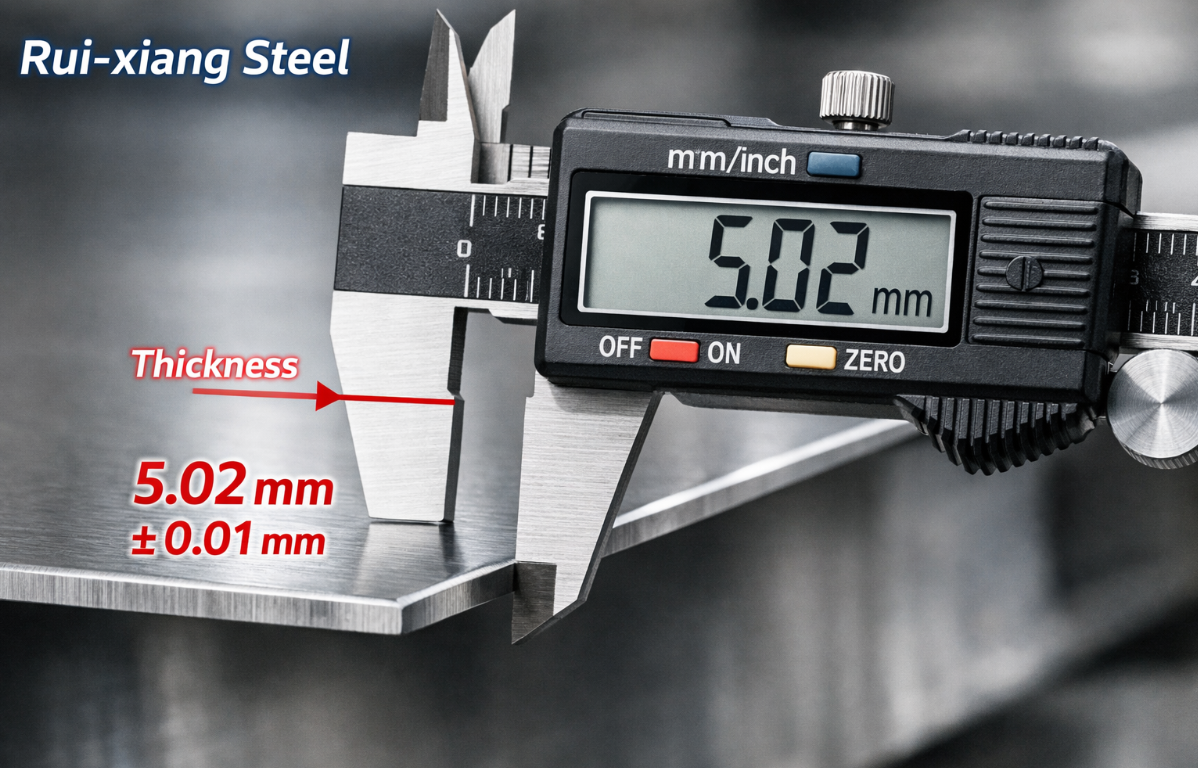
Thickness Tolerance: Ensure the plate meets international standards like
ASTM A240.
Flatness: Crucial for automated welding and laser cutting processes.
Surface Finishes: Choose from No.1, 2B, or brushed finishes based on your aesthetic and functional needs.
| Material Grade |
Thickness Range |
Standard Widths |
Standard Lengths |
Surface Finishes |
| AISI 304 / 304L |
3.0mm - 100mm |
1000 / 1219 / 1500 / 2000mm |
2000 / 2438 / 3000 / 6000mm |
No.1, 2B, Brushed |
| AISI 316 / 316L |
3.0mm - 80mm |
1219 / 1500 / 2000mm |
2438 / 3000 / 6000mm |
No.1, 2B, Sandblasted |
| AISI 430 |
3.0mm - 20mm |
1000 / 1219 / 1500mm |
2000 / 2438 / 3000mm |
2B, BA, No.4 |
| Duplex 2205 |
3.0mm - 50mm |
1500 / 2000mm |
3000 / 6000mm |
No.1 (Hot Rolled) |
* Note: Custom sizes and non-standard thicknesses are available upon request. Contact our engineering team for specific project requirements.
FAQ Section
Q1: What is the difference between a stainless steel sheet and a stainless steel plate?
A: The primary difference is thickness. Generally, material 3mm (0.118 inches) and thicker is classified as a plate, while anything thinner is considered a sheet. Plates are used for structural loads, while sheets are used for covering or lighter fabrication.
Q2: Can stainless steel plates be custom-cut to size?
A: Yes. At Ruixiang Steel, we provide precision laser, plasma, and waterjet cutting services to ensure your plates meet the exact dimensions of your blueprints, reducing on-site labor and waste.
Q3: How do I verify the authenticity of the material grade?
A: Always request an MTC (Mill Test Certificate). This document tracks the chemical composition (Nickel, Chromium, Molybdenum levels) and mechanical properties of the specific heat of steel you are purchasing.
Optimize Your Supply Chain with Premium Steel Plates Ruixiang Steel maintains a massive inventory of 304 and 316L stainless steel plates ready for immediate global shipping.
Contact Our Specialists for a competitive quote or to request a technical data sheet today.


 Click:478Edit: Ruixiang Steel
 Time:2026-01-12 11:55:26



 Tel:+86-132 8756 7777
 Email:ceo@ruixiangsteel.cn
 WhatsApp:+86-132 8756 7777
 Phone:+86-132 8756 7777
 Adds:701B, Shuntai Plaza 8th building,Jinan Area of the Pilot Free Trade Zone, China.


 Langue
 English
 русский
 Français
 Türkçe
 Español
 اللغة العربية
 Current Location:
  Home
Home WhatsApp
 Email
Email